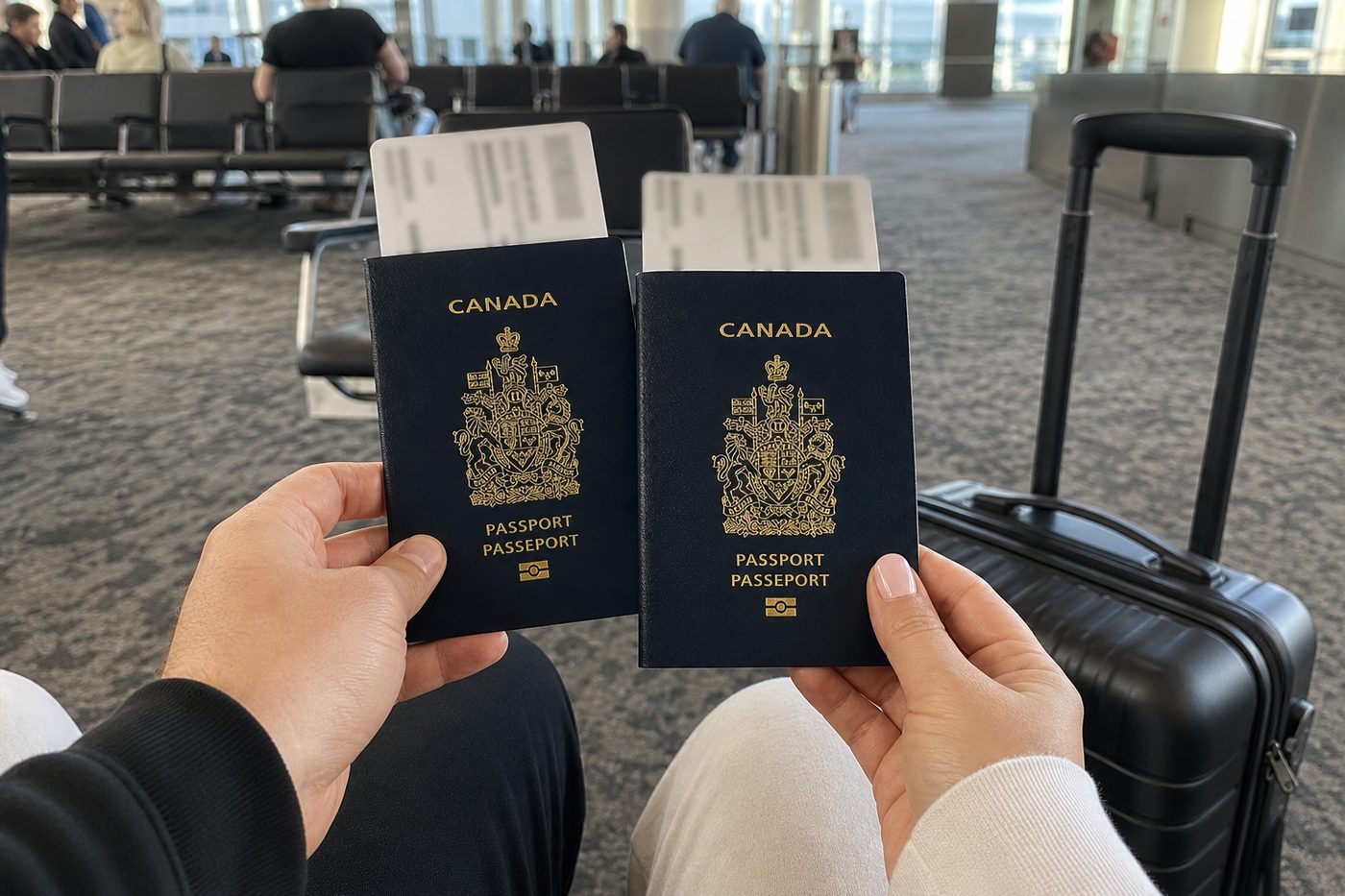
Planning a short city break can feel overwhelming when you only have 48 hours to spare. Our front desk team fields these questions daily from guests arriving for quick weekend getaways. We have compiled the most common queries and practical answers to help you make the most of a two-day urban escape. Whether you are visiting for the first time or returning to explore new neighbourhoods, this guide covers everything from arrival logistics to dining choices. Think of it as sitting down with our concierge for a candid conversation about realistic itineraries, timing and local insights.
In this feature
- Arrive early on day one to maximize your first afternoon exploring central areas within walking distance
- Book accommodation near public transit hubs to save time moving between neighbourhoods
- Reserve one evening meal in advance; leave lunch flexible for spontaneous discoveries
- Pack light with layers and comfortable walking shoes for 15,000-20,000 steps per day
When should I arrive and how much time do I really need?
The most effective two-day breaks start with an early arrival on day one, ideally before noon. This gives you a full afternoon and evening to explore without feeling rushed. Our guests who arrive after 4 PM often feel they have lost half their trip. If you can only arrive in the evening, consider this your settling-in time rather than day one of sightseeing. Departures work best after lunch on day two, allowing a relaxed morning without the stress of early checkout. For transport, budget 30-45 minutes from the airport to your accommodation during weekday rush hours, less on weekends. Many visitors underestimate city distances and overpack their schedules. A realistic two-day itinerary covers two or three neighbourhoods well rather than racing through six areas superficially. We recommend grouping attractions geographically: spend day one in the historic core and waterfront, day two in cultural districts or markets. This approach reduces transit time and lets you absorb the atmosphere of each area. Leave buffers for getting lost, spontaneous cafe stops and simply watching street life.
What should I prioritize if I only have 48 hours?
Start with one or two genuine must-sees that drew you to the city, then fill around them with neighbourhood wandering. Guests often arrive with lists of twelve attractions and leave disappointed they only managed five. Instead, choose your top priority for each day and treat everything else as optional. If museums matter most, visit during weekday mornings when crowds are lighter and you are fresh. Save outdoor markets, parks and waterfront walks for afternoons when natural light is best for photos. Evening is ideal for neighbourhood dining districts where you can stroll between options. We always suggest at least one meal in a residential area rather than tourist zones; prices drop and quality often improves. Book any ticketed attractions or popular restaurants before you arrive to avoid disappointment. For everything else, stay flexible. Some of our guests' best memories come from unplanned discoveries: a small gallery, a neighbourhood bakery, a local festival they stumbled upon. Two days is enough to get a genuine feel for a city's character without exhausting yourself trying to see everything guidebooks mention.
How do I get around efficiently without wasting time?
Choose accommodation within a 10-minute walk of a metro or tram line. This single decision saves more time than any other planning choice. Download the local transit app before arrival and load it with a two-day pass if available; these typically cost $15-25 and pay for themselves after four or five trips. Most city centres are highly walkable, and you will see more on foot than underground, but transit becomes essential for reaching outlying neighbourhoods or returning to your hotel mid-afternoon. We recommend walking for trips under 20 minutes, using transit for longer distances, and avoiding taxis except late at night or when carrying shopping. Many visitors waste time waiting for rideshares during rush hour when a metro would be faster. Get a physical transit map from our desk; phone batteries die and you will want a backup. For orientation, spend your first hour walking a large loop around your accommodation to understand the street grid. Note landmarks, major intersections and where the nearest supermarket and pharmacy sit. This mental map makes every subsequent journey easier and faster.
What should I pack and how do I manage luggage?
Pack as if you are staying one night, not two. A small backpack or single carry-on is ideal for a 48-hour trip. You will be moving between neighbourhoods, climbing metro stairs and walking 8-12 kilometres daily; heavy bags become burdensome quickly. Bring one pair of well-broken-in walking shoes, layers for temperature changes throughout the day, and a light rain jacket regardless of forecast. Leave formal wear at home unless you have a specific event. Most city restaurants accept smart casual attire. A portable battery pack for your phone is essential; you will use maps, translation apps and camera constantly. Pack any prescription medications, basic first aid supplies and a reusable water bottle. For toiletries, small sizes suffice; you can buy anything forgotten. If you arrive with larger luggage, ask your hotel about storing bags after checkout so you can explore freely on departure day. Many hotels offer this service at no charge. Everything you need should fit in an overhead bin.
How do I find good local food without tourist traps?
Walk three or four blocks away from major landmarks and look for places where locals outnumber tourists. We tell guests to observe: if the menu is only in English with photos of every dish, keep walking. If you see office workers on lunch breaks or families with children, that is a good sign. Ask our front desk staff where they eat on days off; these recommendations are worth more than online reviews. For breakfast, neighbourhood bakeries and cafes near residential areas offer better value and quality than hotel buffets or tourist-zone chains. Lunch is your opportunity to try mid-range restaurants at lower prices; many offer set menus for $15-22. Reserve one special dinner in advance, but leave your second evening flexible to explore the neighbourhood where you find yourself. Markets are excellent for lunch: fresh, affordable and you can sample multiple vendors. Evening food halls and market areas let you graze while observing local life. Avoid restaurants with aggressive touts outside, multilingual menus covering every cuisine, or those directly opposite major attractions. If you want specific cuisine, ask us for current recommendations; restaurant quality changes and what was excellent last year may have new ownership now.
In short
A successful two-day city break comes down to realistic expectations and smart logistics rather than cramming in maximum attractions. Arrive early, stay centrally, walk extensively, and leave room for spontaneity. The guests who enjoy short breaks most are those who pick two or three priorities and let the rest unfold naturally. You will not see everything, but you will experience enough to understand the city's rhythm and character. That genuine connection matters more than ticking off a checklist. Stop by our front desk when you arrive; we can refine your plans based on current conditions, weather and your specific interests.
Transit times, admission prices and restaurant costs vary by season and are subject to change. Always verify current opening hours and rates before visiting specific venues. Sources